

The Truth About 18k Tennis Bracelets and Their Longevity
Why an 18k Gold Tennis Bracelet is Both a Statement and an Investment

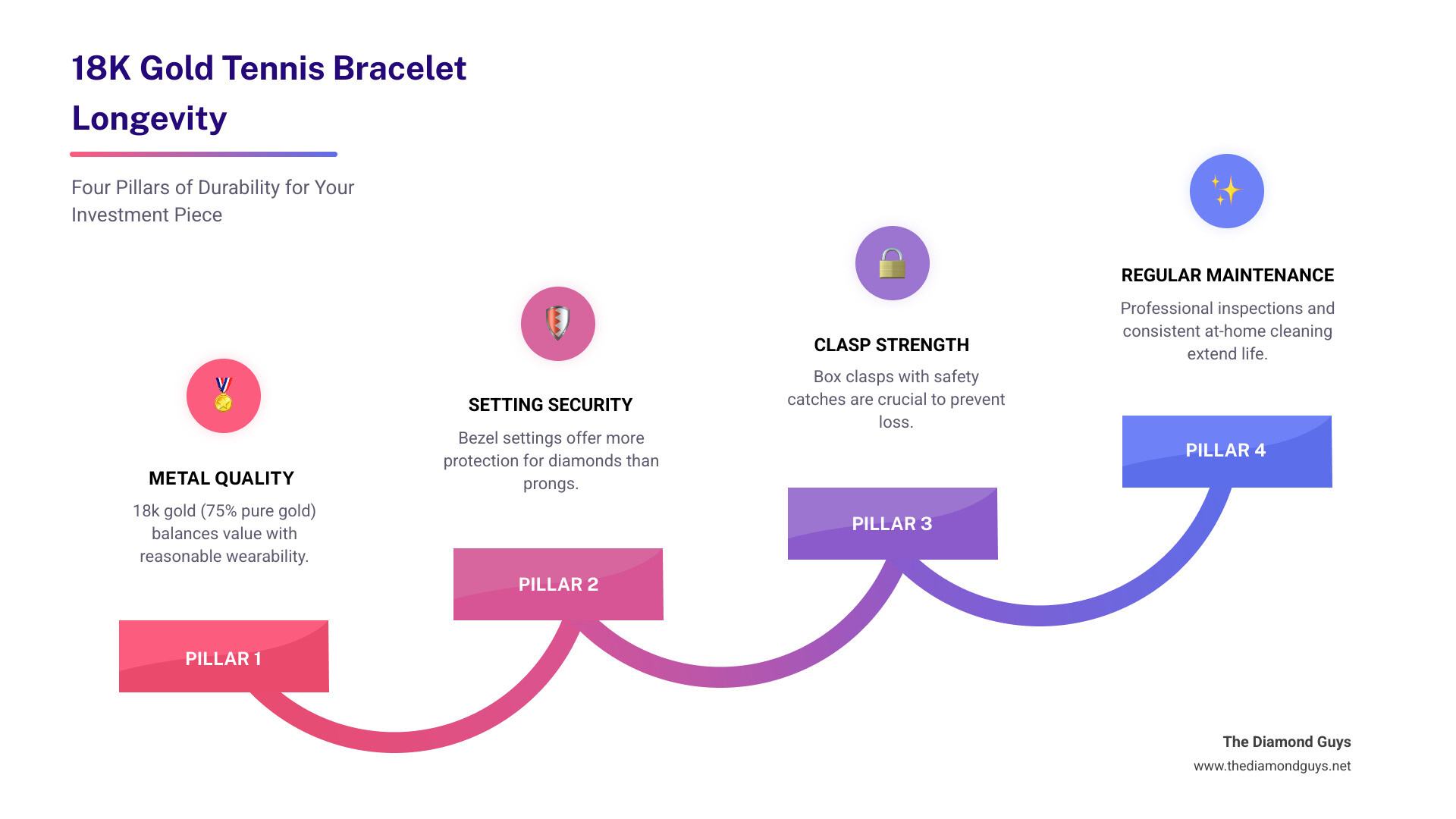
An 18k gold tennis bracelet offers the perfect balance of luxury and wearability, but understanding its durability is crucial before making this significant investment. Here's what you need to know:
Key Durability Factors:
- Metal Composition: 18k gold contains 75% pure gold, making it softer than 14k but more valuable and hypoallergenic
- Setting Type: Bezel settings protect diamonds better than prong settings for daily wear
- Clasp Security: Box clasps with safety catches prevent loss during active use
- Maintenance: Regular professional inspections and proper care extend longevity significantly
- Expected Lifespan: With proper care, an 18k gold tennis bracelet can last generations
Durability vs. Other Gold Types:
| Gold Type | Durability | Luxury | Best For |
|---|---|---|---|
| 10k Gold | Highest | Lower | Heavy daily wear |
| 14k Gold | High | Moderate | Active lifestyles |
| 18k Gold | Moderate | Highest | Special occasions + careful daily wear |
| 24k Gold | Lowest | Pure | Investment only |
The tennis bracelet itself has a fascinating origin story. In 1978, tennis champion Chris Evert lost her diamond bracelet during a U.S. Open match, halting play until it was found. This moment transformed an in-line diamond bracelet into a jewelry icon, forever linking the design to both elegance and resilience.
Today, when you're considering an 18k gold version, you're choosing a piece that prioritizes luxury over maximum hardness. The softer nature of 18k gold means it's more prone to scratches than 14k, but its rich color, higher value, and gentler touch on sensitive skin make it the preferred choice for those who view their tennis bracelet as both jewelry and heirloom.
I'm Morgan Price, and through years of building relationships with fine jewelry experts and analyzing what makes pieces truly last, I've learned that an 18k gold tennis bracelet requires informed decision-making around settings, clasps, and maintenance schedules. Let me walk you through exactly what impacts longevity so you can make the right choice for your lifestyle.
From Court-Side Legend to Jewelry Icon: The Story of the Tennis Bracelet
The history of the tennis bracelet is as captivating as the sparkle of its diamonds. While in-line diamond bracelets have existed for centuries, their modern name and iconic status trace back to a single, unforgettable moment on a tennis court. This blend of athletic prowess and unexpected glamour cemented the bracelet's place in fine jewelry, symbolizing effortless luxury and enduring style.
The enduring appeal of gold and diamonds in fine jewelry is undeniable. Gold, especially 18k gold, offers a rich hue and inherent value that speaks to timeless elegance. Diamonds, with their unparalleled brilliance and durability, represent strength and everlasting beauty. Together, they form a combination that has captivated wearers for generations, making the 18k gold tennis bracelet the most luxe gold version of this beloved accessory.
Why the Name "Tennis Bracelet"?
The story of how the "tennis bracelet" got its name is one of jewelry lore. In 1978, during a U.S. Open match, legendary tennis champion Chris Evert experienced a moment that would forever change the jewelry world. While fiercely competing on the court, her diamond bracelet — a flexible, neat line of individually set diamonds — unexpectedly came unclasped and fell off her wrist.
In a move that captured public fascination, Evert requested that play be halted until her precious bracelet could be found. The match paused, the crowd watched, and the world witnessed a professional athlete prioritize her beloved jewelry. This incident, broadcast live, instantly created a new jewelry category. What was once simply known as an "in-line diamond bracelet" or "eternity bracelet" was thereafter dubbed the "tennis bracelet." It became a symbol of active elegance, proving that fine jewelry could be worn and enjoyed even during intense physical activity, provided it was well-secured. The history of the tennis bracelet truly begins with this gold tennis bracelet moment.
How Design Evolved for Durability
Before the famed Chris Evert incident, many in-line diamond bracelets, often called "eternity bracelets," were designed more for delicate wear. However, the newfound association with active lifestyles highlighted a crucial need for improved durability. Jewelers began to focus on strengthening key elements to ensure these precious pieces could withstand more than just a quiet evening out.
The evolution of design centered on several critical improvements. There was a pressing need for stronger clasps, moving beyond simple spring rings to more robust and secure mechanisms. Secure settings became paramount to protect each individual diamond from accidental knocks or loss. Flexible links were also refined, allowing the bracelet to move gracefully with the wrist without putting undue stress on the settings or causing discomfort. This transition transformed the tennis bracelet into a sports-friendly, yet undeniably neat and neat, accessory. The goal was to create a piece that was not only beautiful but also resilient, capable of becoming a cherished part of a woman's everyday life, echoing Chris Evert's personal connection to her jewelry.
Understanding the Metal: Is 18k Gold the Right Choice for Durability?
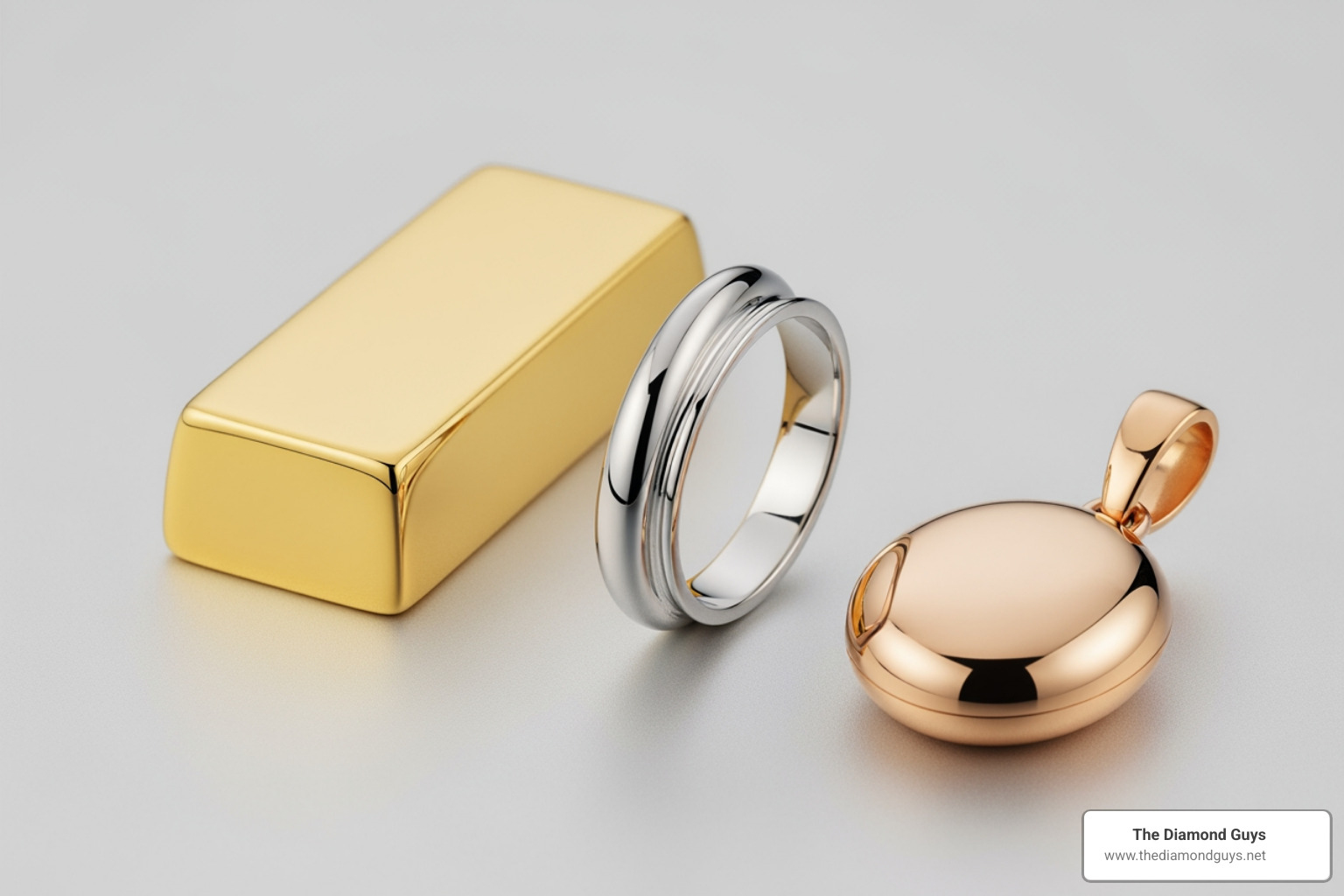
When selecting an 18k gold tennis bracelet, understanding the metal itself is paramount to assessing its longevity. Gold purity is measured in karats, with 24k representing pure gold. However, pure gold is incredibly soft and unsuitable for most jewelry. This is where the karat system comes into play, indicating the proportion of pure gold to other metals (alloys) in a piece. Common karats include 10k, 14k, and 18k.
An 18k gold tennis bracelet contains 75% pure gold, often stamped as "750" (meaning 750 parts per thousand). The remaining 25% consists of various alloys like copper, silver, zinc, or palladium, which are added to improve the metal's strength, durability, and color. For instance, white gold achieves its silvery hue through alloys like palladium, while rose gold gets its distinctive pink tone from a higher copper content. This balance of purity and strength is what makes 18k gold a popular choice for fine jewelry, particularly for pieces like a high-value diamond tennis bracelet.
The Pros: Luster and Hypoallergenic Properties
Choosing 18k gold for your tennis bracelet comes with distinct advantages, primarily its exquisite aesthetic appeal and wearer comfort. The high percentage of pure gold (75%) gives 18k gold a remarkably rich, warm luster that is deeply desirable. This vibrant hue is more pronounced than in lower karat golds, lending an unmistakable air of luxury and sophistication to any piece. For many, the visual impact of an 18k gold tennis bracelet is simply best, making it a statement piece that truly stands out.
Beyond its beauty, 18k gold is also an excellent choice for those with sensitive skin. Because it contains a higher proportion of pure gold and a lower percentage of alloys (which are often the culprits for skin irritation), it is significantly less likely to cause allergic reactions. This hypoallergenic property means that an 18k gold tennis bracelet can be worn comfortably for extended periods, making it an ideal choice for daily wear for individuals who might react to lower karat golds containing more nickel or other common allergens. It's a choice that prioritizes both beauty and well-being.
The Cons: Softness and Scratch Resistance
While 18k gold offers unparalleled luster and hypoallergenic benefits, it's important to understand its limitations regarding durability, particularly when considering a piece like a tennis bracelet that might be worn frequently. Due to its higher gold content (75% pure gold), 18k gold is inherently softer than lower karat options like 14k gold. This increased softness means it is more prone to scratches, dents, and dings with heavy wear.
If you lead an active lifestyle or plan to wear your 18k gold tennis bracelet every day without much thought, you might notice signs of wear more quickly than with a 14k gold piece. This consideration for daily use implies a need for more careful handling and maintenance. While a certain amount of patina and minor scratching is inevitable with any worn jewelry, the softer nature of 18k gold means these marks will appear more readily. Therefore, while 18k gold is a luxurious choice, its longevity in pristine condition depends heavily on the wearer's habits and commitment to proper care.
Key Features That Impact the Longevity of an 18k Gold Tennis Bracelet
The longevity of your 18k gold tennis bracelet isn't solely dependent on the gold itself; it's a culmination of meticulous craftsmanship and the integrity of its design elements. Every component, from how the diamonds are secured to the strength of the clasp, plays a crucial role in how well your bracelet withstands the test of time and wear.
At The Diamond Guys, we understand that a tennis bracelet is often an investment piece, and our expertise in tennis bracelet construction focuses on ensuring every detail contributes to its enduring beauty and security. This includes careful consideration of diamond settings, robust clasp security, and flexible yet strong link construction, all working together to form a piece of exceptional overall design integrity.
Choosing the Right Setting for an 18k Gold Tennis Bracelet
The setting of the diamonds is perhaps the most critical factor influencing the durability and longevity of your 18k gold tennis bracelet. The setting not only improves the brilliance of each diamond but, more importantly, protects it from everyday knocks and potential loss. Different settings offer varying levels of protection and aesthetic appeal:
| Setting Type | Durability | Sparkle | Maintenance | Pros | Cons |
|---|---|---|---|---|---|
| Prong Setting | Moderate | High | Regular checks | Maximizes light entry, classic look | Prongs can snag, less protection for diamonds |
| Bezel Setting | High | Moderate | Low | Excellent diamond protection, very secure | Can reduce diamond sparkle, more modern look |
| Channel Setting | High | Moderate | Low | Smooth surface, no snagging, diamonds well-protected | Diamonds appear smaller, less individual sparkle |
Prong Setting: This classic setting uses small metal claws (prongs) to hold the diamond in place, allowing maximum light to enter the stone for exceptional sparkle. While beautiful, prongs can occasionally snag on clothing or get bent, making the diamond vulnerable. Regular professional checks are essential to ensure the prongs remain secure.
Bezel Setting: A bezel setting encircles the entire diamond with a thin metal rim, holding it securely in place. This offers superior protection against chips and impacts, making it an excellent choice for a durable 18k gold tennis bracelet. Bezel-set bracelets, like our Midi Graduated Round Bezel Set Diamond 18K White Gold Tennis Bracelet, are known for their sleek, modern look and robust design. While they might allow slightly less light into the diamond compared to prong settings, the improved security often outweighs this for those prioritizing longevity. Our Luxe Graduated Round Bezel Set Diamond 18K White Gold Tennis Bracelet is another stunning example of this secure setting.
Channel Setting: In a channel setting, diamonds are set side-by-side within a metal channel, flush with the surface of the bracelet. There are no individual prongs, creating a smooth, continuous line of sparkle. This setting provides excellent protection for the diamonds and is less likely to snag.
When choosing, consider your lifestyle. For maximum protection and peace of mind, a bezel-set 18k gold tennis bracelet is often the top recommendation from our experts in Scottsdale and Los Angeles.
Securing Your Investment: Clasp Types for an 18k Gold Tennis Bracelet
The clasp is the unsung hero of your 18k gold tennis bracelet, arguably the most critical component for preventing loss. A beautiful bracelet is only as good as its ability to stay on your wrist. We emphasize the importance of a secure closure, especially for a piece meant to be worn and cherished.
The most common and highly recommended clasp for a tennis bracelet is the box clasp. This mechanism involves a tab that snaps into a hollow box, creating a secure closure. To improve security, a well-made box clasp will almost always be accompanied by one or two safety catches. These small, hinged mechanisms (often figure-eight loops or fold-over clasps) provide an additional layer of protection. Should the main box clasp accidentally open, the safety catch acts as a backup, preventing the bracelet from falling off your wrist. Some designs may also feature a "plunger style" clasp, which offers robust security.
While other clasps like the lobster clasp exist, they are generally less common and often considered less secure for the delicate, continuous nature of a tennis bracelet. For the ultimate peace of mind and to truly secure your investment, always opt for an 18k gold tennis bracelet with a robust box clasp and at least one, if not two, safety catches. This thoughtful design ensures your cherished piece remains safely on your wrist, whether you're on the tennis court or simply enjoying a night out.
How to Care for and Maintain Your Investment
An 18k gold tennis bracelet is a significant investment and a cherished piece of jewelry. To ensure its enduring beauty and longevity, consistent care and maintenance are essential. Just like any valuable item, it benefits from regular attention, both at home and professionally. This proactive approach will help preserve its sparkle, protect its precious diamonds, and keep the gold lustrous for years to come. Proper care involves regular cleaning, professional inspection, correct storage, and avoiding exposure to harsh chemicals. We also highly recommend insuring your tennis bracelet as a safeguard against unforeseen circumstances.
At-Home Cleaning and Storage
Maintaining the brilliance of your 18k gold tennis bracelet is surprisingly simple with a few at-home practices. For regular cleaning, gently wipe your bracelet with a soft, lint-free cloth after each wear to remove oils and dirt. For a deeper clean, prepare a bowl of warm water with a few drops of mild dish soap. Submerge your bracelet and let it soak for 10-15 minutes. Then, use a very soft brush (a clean, soft-bristled toothbrush works wonderfully) to gently scrub around the diamonds and gold settings, paying attention to any crevices where dirt might accumulate. Rinse thoroughly under cool running water, ensuring all soap residue is gone, and pat dry with a lint-free cloth. Avoid using abrasive cleaners or harsh chemicals, as these can damage the gold or dull the diamonds.
When it comes to storage, proper habits are crucial to prevent scratches and tangling. Always store your 18k gold tennis bracelet separately from other jewelry. A fabric-lined jewelry box or a soft pouch is ideal. This protects the softer 18k gold from being scratched by harder metals or other gemstones. Keeping it in a dry, safe place away from extreme temperatures will also contribute to its longevity.
When to Seek Professional Help
While at-home care is vital, your 18k gold tennis bracelet will benefit immensely from professional attention. We recommend bringing your bracelet to our experts in Scottsdale or Los Angeles for an annual check-up. During these inspections, our skilled jewelers will carefully examine the settings for any loose prongs or bezels, tighten them as needed, and inspect the clasp for any signs of wear or weakness. This proactive approach can prevent a diamond from falling out or the bracelet from accidentally coming undone.
Professional polishing can also restore the original luster of your 18k gold tennis bracelet, removing superficial scratches and bringing back its showroom shine, something that can't be fully achieved with at-home methods. If you notice any damage, such as a bent link, a loose diamond, or a malfunctioning clasp, it's crucial to seek professional repair immediately. Delaying repairs can lead to further damage or even loss of stones. Think of these professional services as essential tune-ups that ensure your beautiful investment remains secure and sparkling for generations.
Frequently Asked Questions about 18k Gold Tennis Bracelets
Can I wear an 18k gold tennis bracelet every day?
While an 18k gold tennis bracelet is designed to be worn and cherished, whether you can wear it every day largely depends on your lifestyle and the specific setting of the diamonds. As we've discussed, 18k gold is softer than 14k gold, making it more susceptible to scratches and dents.
For those with a less active lifestyle or who are mindful of their jewelry, daily wear is certainly possible with proper care. However, we generally advise removing your 18k gold tennis bracelet for strenuous activities, such as sports, heavy lifting, or gardening. It's also best to take it off before showering, swimming (especially in chlorinated water), or sleeping, as these activities can expose it to chemicals, impact, or unnecessary friction. If your bracelet features a more protective setting, such as a bezel setting, it will naturally offer greater durability for daily wear compared to a prong setting. A little extra caution will significantly contribute to the longevity and pristine condition of your beautiful piece.
How do I know if the diamonds and gold are real?
Ensuring the authenticity of your 18k gold tennis bracelet is paramount. The first step is to look for hallmarks or stamps on the gold itself. Authentic 18k gold will typically be stamped with "18K" or "750," indicating its 75% pure gold content. For the diamonds, the most reliable proof of authenticity is a Certificate of Authenticity or a gemological report from an independent, reputable laboratory. This document details the diamond's 4 Cs (carat, cut, color, and clarity), confirming its natural or lab-grown origin and overall quality.
To ensure you're purchasing genuine diamonds and 18k gold, always buy from a reputable jeweler like The Diamond Guys. Our experts in Scottsdale and Los Angeles provide transparent information and can offer diamond testing services if you have an existing piece you'd like verified. We pride ourselves on ethical sourcing and providing detailed documentation for all our fine jewelry.
What is a fair price for an 18k gold tennis bracelet?
The price of an 18k gold tennis bracelet can vary significantly, ranging from a few thousand dollars to well over $35,000, depending on several key factors. The primary determinants of price are the total carat weight of the diamonds, the quality of those diamonds (evaluated by the 4 Cs: carat, cut, color, and clarity), the craftsmanship of the setting and links, and the bracelet's overall length.
For instance, a Midi Graduated Round Bezel Set Diamond 18K White Gold Tennis Bracelet might range from $12,485-$13,150, while a Luxe Graduated Round Bezel Set Diamond 18K White Gold Tennis Bracelet could be $21,750-$24,250. Our Classic Diamond Tennis Bracelet starts from $13,250, and a Fancy Cut Diamond Tennis Bracelet can start from $35,515. Even specialized pieces like a Bezel Set Diamond & Emerald Tennis Bracelet start around $12,485. These examples illustrate the wide spectrum. When considering a fair price, compare pieces with similar specifications. Our experts at The Diamond Guys are always available to help you understand these nuances and find an 18k gold tennis bracelet that fits your budget and expectations, ensuring you receive exceptional value for your investment.
Conclusion
The 18k gold tennis bracelet stands as a testament to timeless elegance, perfectly balancing the luxurious appeal of high-karat gold with the robust sparkle of diamonds. While 18k gold offers a rich color and hypoallergenic properties, its inherent softness means that informed choices about settings and clasps are paramount for its longevity. A secure bezel setting offers superior protection for your diamonds, and a robust box clasp with safety catches is non-negotiable for preventing loss.
An 18k gold tennis bracelet is a worthy, long-lasting investment, provided it receives proper care and attention. Regular at-home cleaning, combined with annual professional inspections and maintenance from trusted jewelers, will ensure your cherished piece retains its brilliance and integrity for generations.
At The Diamond Guys, we understand the significance of this investment. Our expertise and personalized guidance in our Scottsdale and Los Angeles locations are dedicated to helping you select an 18k gold tennis bracelet that not only captivates with its beauty but also endures as a treasured heirloom.


